December 29, 2025
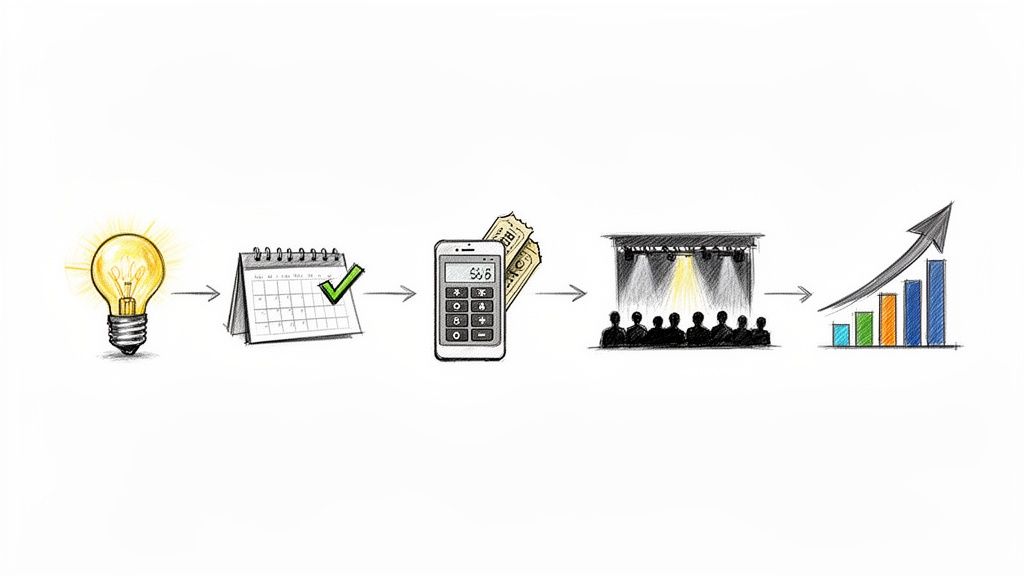
Before you book a venue, design a logo, or even think about a hashtag, every truly great event begins with a moment of quiet, focused strategy. This is the crucial first step: building your event blueprint. Getting this foundation right is what separates a forgettable gathering from a high-impact experience that people talk about for years.
Think of this as the architectural phase. Skipping it is like trying to build a house without a blueprint—sure, you might end up with four walls and a roof, but it’s going to be a chaotic and unstable mess. This strategic groundwork will guide every single decision you make down the line, from your marketing copy to your on-site logistics.
The events industry is absolutely booming right now. In 2024, the market hit a staggering $1,227.3 billion, and it's projected to climb to $1,346.92 billion by 2025. With 66% of professionals planning to host more events and 74% of marketers seeing bigger budgets, the pressure is on to produce events that deliver real results. This is where modern event platforms like GroupOS become invaluable, helping you manage the entire lifecycle with precision.
Here's a quick look at the core components of your event foundation.
Nailing these three elements is non-negotiable for success.
First things first, you have to answer the big question: "Why are we really doing this?" And the answer can't be fluffy. It needs to be a specific, hard-hitting business objective.
Are you trying to flood your sales pipeline with qualified leads? Is the goal to strengthen the community around your brand and turn customers into advocates? Or maybe you're launching a new product and need to make a massive splash.
If your purpose is lead generation, then every decision should serve that goal—from the speakers you book to the data you capture at registration. If it's all about community, you’ll double down on networking lounges, interactive workshops, and creating spaces for genuine connection.
Your purpose is the ultimate filter. When you're on the fence about a decision, just ask: "Does this get us closer to our primary goal?" If the answer is no, you move on.
Once you have your "why," you need to get laser-focused on your "who." Crafting a detailed attendee persona is one of the most powerful things you can do. This goes way beyond surface-level demographics like age or job title.
You need to get inside their head. What are their biggest professional challenges? What are their career aspirations? What problem keeps them up at night that your event can help solve?
This deep understanding of your audience is the secret to creating an event they can't afford to miss.
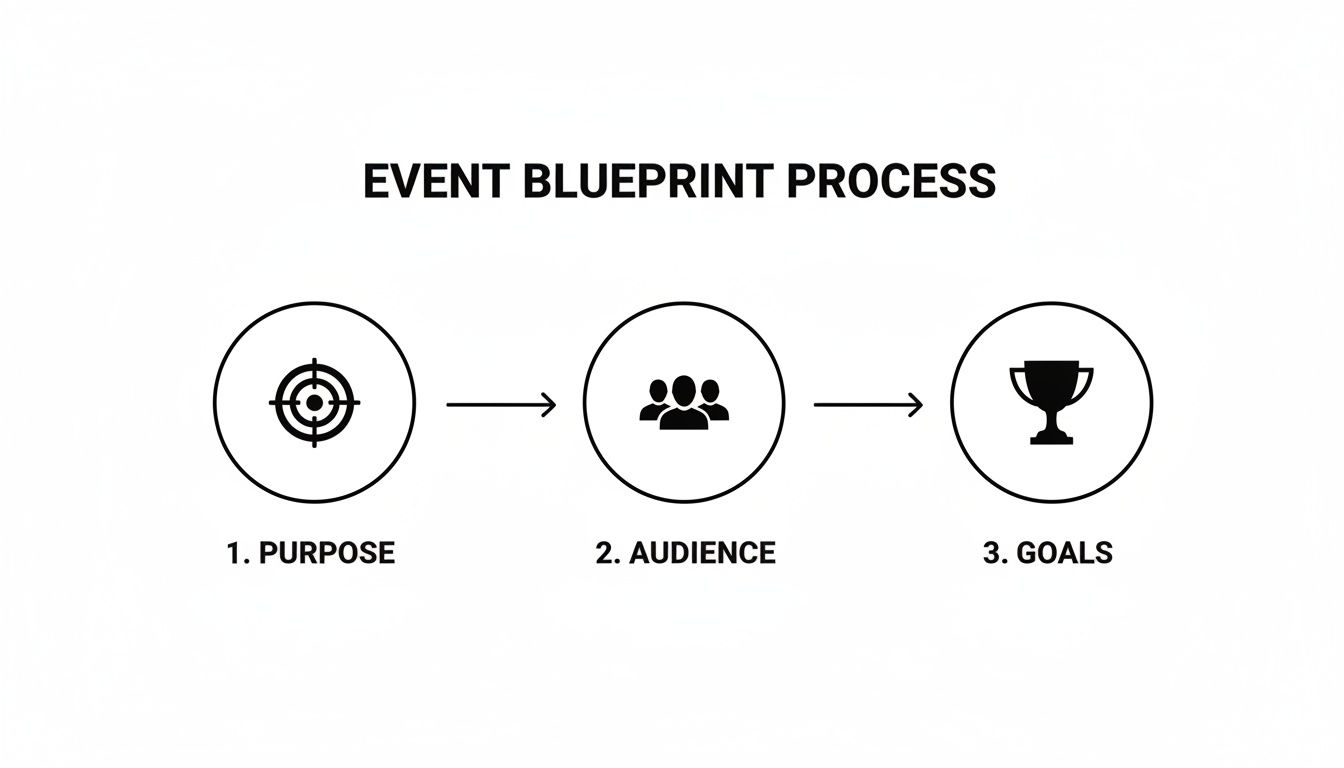
As you can see, the process flows naturally. Your purpose dictates your audience, which in turn helps you set meaningful goals.
With a clear purpose and a defined audience, you can finally set goals that actually mean something. This is where the SMART framework (Specific, Measurable, Achievable, Relevant, Time-bound) comes in. It turns vague wishes into concrete targets.
Instead of a generic goal like "raise brand awareness," a SMART goal is: "Generate 500+ social media mentions with our event hashtag over the two days of the conference."
Rather than "sell tickets," you aim to "Sell 300 early-bird tickets by May 1st and hit a total of 800 registrations by event day." These are the numbers that will prove your event was a success.
It's crucial to get all of this down on paper. A well-crafted event brief is your single source of truth, capturing your purpose, audience, goals, and key messaging. To learn how to build one that keeps your entire team aligned, check out our guide on the perfect event brief format. This document ensures everyone, from marketing to operations, is rowing in the same direction right from the start.
Let’s be honest: an event's success often comes down to its financial health. Moving past a basic spreadsheet is the first real step toward producing an event that actually delivers a return on investment. It's all about strategic financial planning—forecasting every single expense and getting creative with your revenue streams to make sure you're profitable.
The process kicks off by mapping out every conceivable cost. It’s easy to remember the big-ticket items like the venue deposit or the catering bill, but it's the small, forgotten costs that can really sink a budget. I'm talking about everything from credit card processing fees and marketing software subscriptions to AV tech overtime and even meals for your temporary staff.
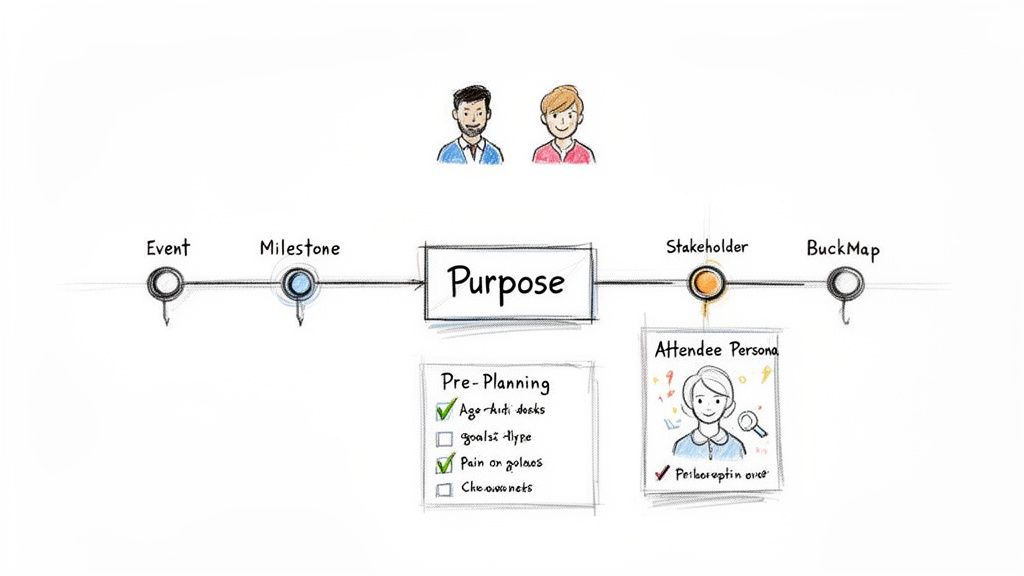
To build a forecast you can actually trust, you need to split your expenses into two camps: fixed and variable costs. Fixed costs are the ones that don't change, no matter how many people walk through the door. Variable costs, on the other hand, scale directly with your attendance numbers.
Here’s a quick breakdown:
Making this distinction is absolutely critical. It helps you calculate your break-even point—the exact number of tickets you have to sell just to cover all your expenses. Knowing this number from day one gives your marketing team a clear, tangible goal to aim for.
Once you have a handle on your expenses, it's time to build out your revenue strategy. Putting all your eggs in the ticket sales basket is a risky game. A more diversified revenue model creates financial stability and opens up some really interesting opportunities for growth.
Think about these powerful revenue channels:
A crucial but often overlooked part of producing an event is building a contingency fund. I always recommend earmarking 15-20% of your total budget for the unexpected. Whether it’s a last-minute AV repair or a sudden need for more security, this safety net prevents minor hiccups from spiraling into major financial crises.
The good news is that industry confidence is high, with 74% of event marketers expecting to increase their spending in 2025. This optimism is fueled by better tools; 79% now use Event Management Systems (EMS) to simplify their planning and keep a close eye on financials.
Trying to juggle spreadsheets for expenses, a separate system for ticketing, and another for sponsor payments is a recipe for disaster. It's inefficient and full of opportunities for human error.
Bringing all of your financial management into an all-in-one platform gives you a real-time, dashboard-level view of your event's financial health. You can see ticket revenue roll in, track outstanding sponsorship payments, and log expenses all in one spot. This consolidated view empowers you to make smarter, data-driven decisions on the fly, ensuring your event stays on track and on budget.
For a deeper dive into creating a rock-solid financial plan, check out our complete guide on budgeting an event. It’s packed with templates and detailed checklists to guide you.
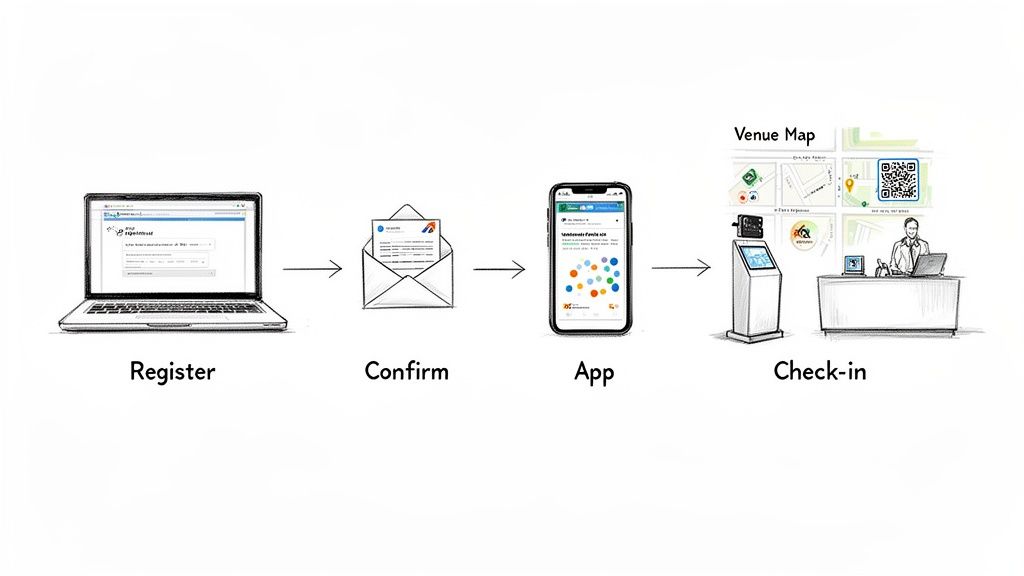
Let’s be honest: the heart of a great event isn’t the fancy stage lighting or even the big-name keynote speaker. It’s the feeling you give every single person who walks through the door. That feeling, that attendee experience, starts long before the event day—it begins the moment they land on your registration page.
Crafting a memorable event is all about obsessing over the details of that journey. Every touchpoint, from the first click to the final thank-you email, needs to feel intentional and effortless.
Think of the attendee journey as a story you’re telling. It starts with the promise of what they’ll gain, builds through clear communication, and culminates in a seamless on-site experience. Each step is a chance to build excitement and trust. Get it wrong, and you introduce friction. Get it right, and you make people feel like they truly belong.
Your registration process is the front door to your event. If it’s clunky, confusing, or takes forever, people will just walk away. The goal here is zero friction.
It all starts with a clean, mobile-friendly landing page that screams "this is worth your time." The form itself? Keep it simple. Only ask for what you absolutely need right now. You can always ask for more information later. Platforms like GroupOS are great for this because you can build custom forms for different ticket types, getting the data you need without making everyone fill out a novel.
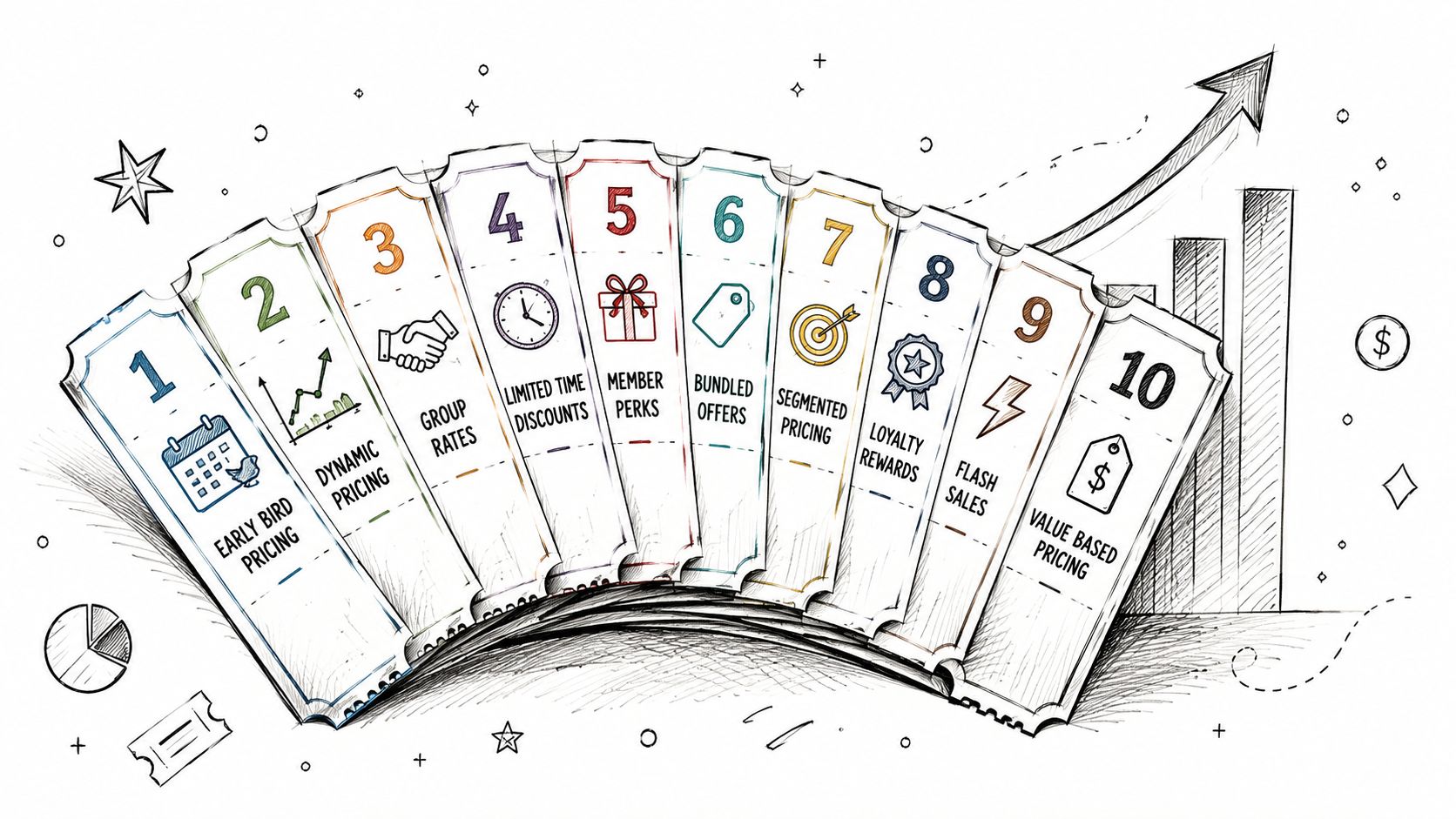
Get creative with your ticketing tiers to appeal to different people:
Once someone hits "register," your job has just begun. Now it's all about building anticipation and making sure they feel completely in the loop. A smart email sequence is your best friend here, delivering exactly the right information at exactly the right time.
Map out your communication plan with a few key messages:
Your mission is to answer your attendees' questions before they even have a chance to ask them. When people feel informed and guided, they can relax and focus on what they came for: to connect, learn, and have a great time.
All that prep work comes down to this: the live event. This is where your operational chops are truly tested. A smooth check-in process sets a positive tone for the entire day. Nothing kills the vibe faster than long lines and confused staff.
This is where modern tech like QR code check-in is a lifesaver. Attendees scan a code right from their phone, and they’re in. It’s fast, cuts down on lines, and frees up your team to handle actual guest needs instead of just ticking names off a list.
But don't stop at check-in. Walk the venue from an attendee’s perspective. Is the signage clear? Are there enough places to charge a phone? Is the Wi-Fi strong enough to handle a crowd? These little things make a huge difference.
Here’s a simple way to map out and improve those critical moments in the attendee journey.
This planner helps you think through each stage of the attendee experience, from their first interaction to post-event follow-up, ensuring every touchpoint is optimized.
This intense focus on the attendee's journey is a cornerstone of great experiential marketing events, where every single interaction is designed to build a meaningful connection. When you prioritize your guests' needs at every turn, you don't just host a gathering—you create an experience they'll be talking about for years to come.
An incredible event in an empty room is just a quiet failure. This is where your marketing and promotion engine kicks in, turning a well-planned event into a must-attend experience that actually sells out. Forget the generic advice; producing an event that resonates requires a specific, multi-channel strategy designed to build a real community.
The first thing you need to do is craft a compelling event narrative. This isn't just about listing speakers and sessions. It's about answering the one question every single potential attendee has: "What's in it for me?" Your story needs to clearly communicate the value, the transformation, or the unique connections they'll walk away with.
This value proposition becomes the heart of all your marketing materials, from the subject lines of your emails to the copy on your social media ads. It’s the story that gets people to stop scrolling and start paying attention.
Relying on a single channel is a recipe for disappointment. A solid promotional plan uses a powerful mix of tactics, each playing a specific role in reaching your ideal audience where they already hang out. This isn't about being everywhere; it's about being in the right places with the right message.
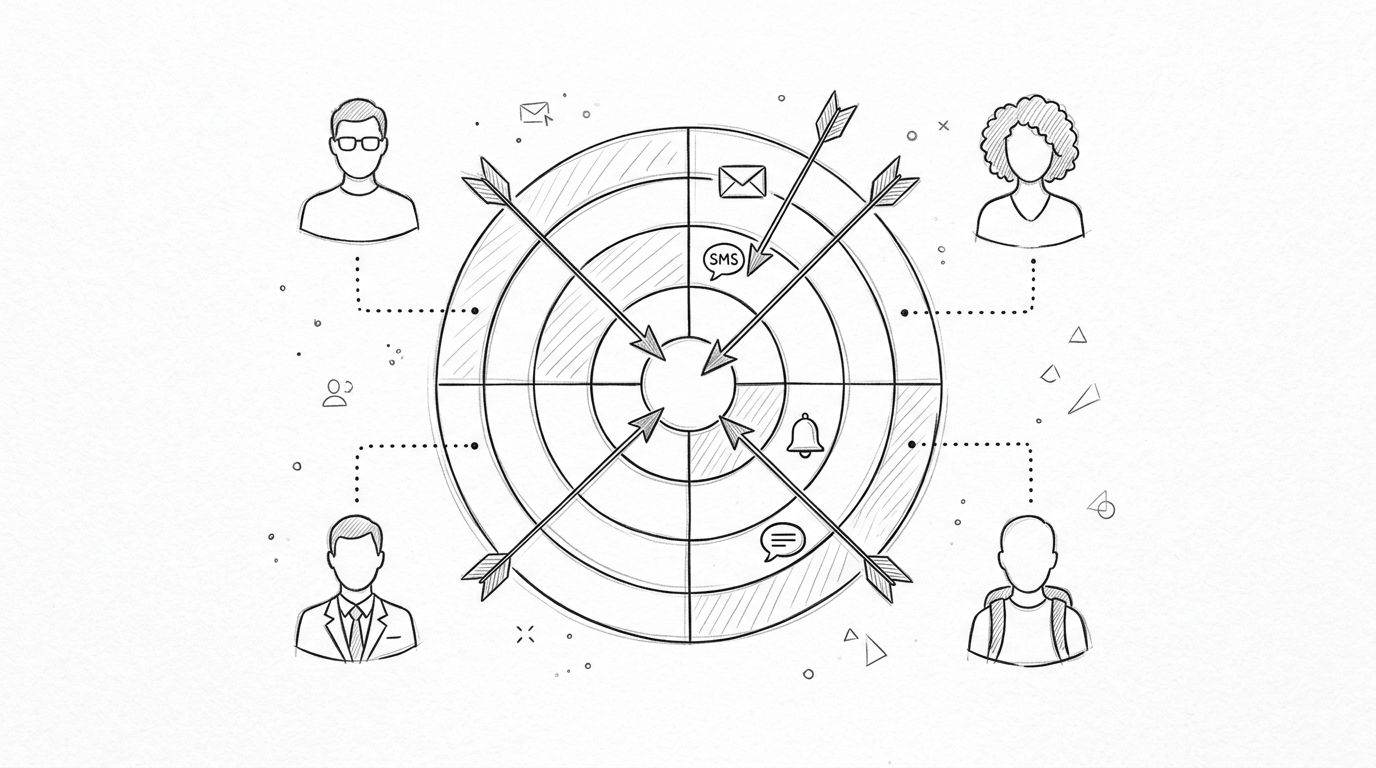
A truly effective strategy weaves together several key channels:
This approach creates a sustained promotional buzz that builds momentum over time. For a deeper dive, our complete guide to event marketing strategies offers dozens of actionable tactics you can put to work right away.
One of the most underutilized assets in event promotion is the network of people already involved. Your speakers, sponsors, and even your first few ticket buyers are your most authentic and powerful advocates. Don't just hope they'll share the news—make it incredibly easy for them to do it.
Create a dedicated "speaker kit" with pre-written social media posts, custom graphics featuring their headshot, and a unique discount code they can share with their followers. This simple step transforms them from passive participants into active promotional partners. Their endorsement carries far more weight than a branded ad ever could.
Your speakers and sponsors have a vested interest in a full room. Equip them with the tools they need to shout about your event from the rooftops, and they will become an extension of your marketing team.
Similarly, you can encourage early attendees to share their registration with a slick "I'm attending!" graphic. This kind of social proof is incredibly powerful and can trigger a cascade of interest from their peers.
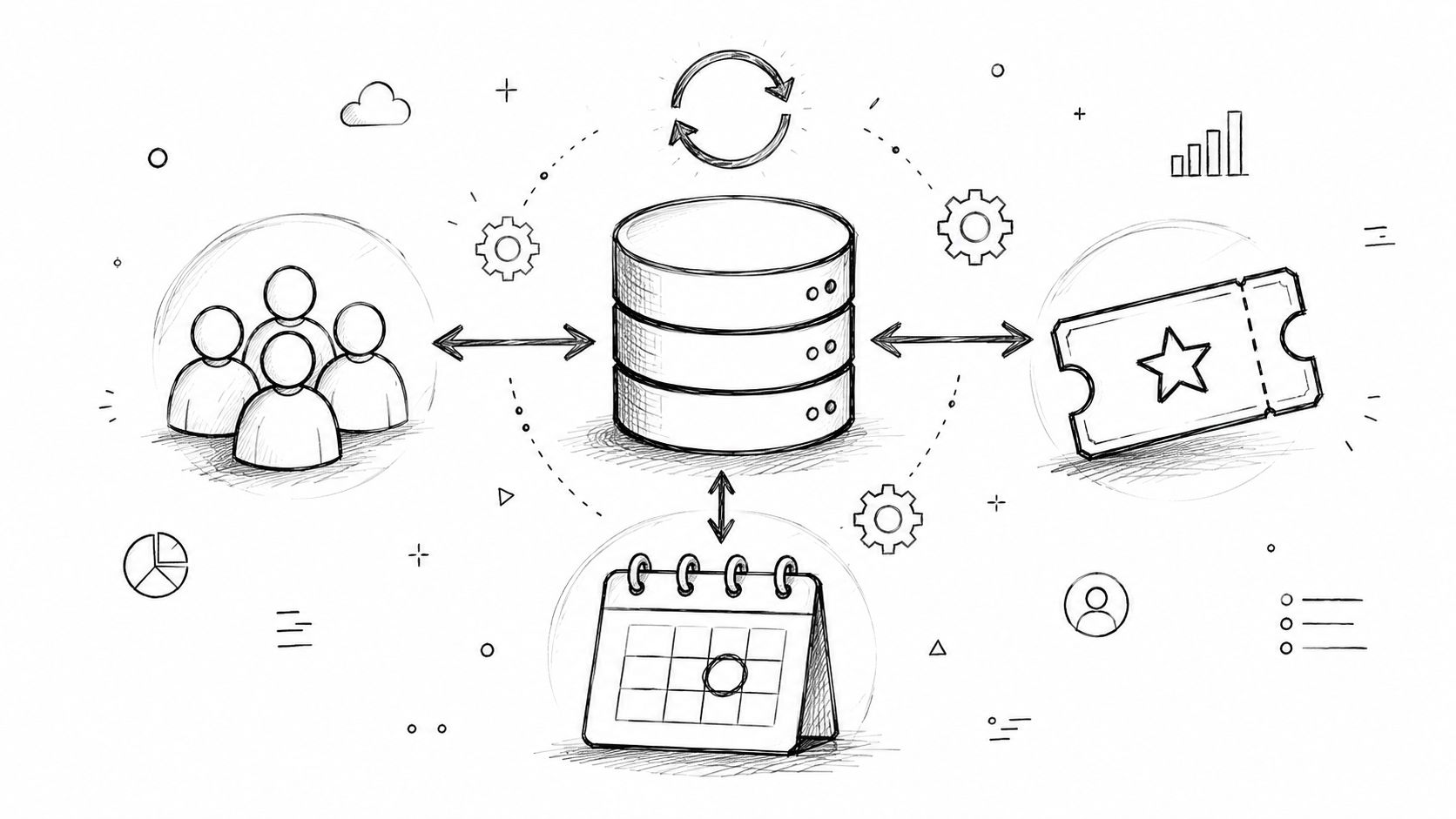
Modern event platforms are built to be the central nervous system of your promotion. By integrating your platform with the tools your community already uses, you can amplify your message and create a seamless promotional flow.
Picture this: a new registration in GroupOS automatically triggers a welcome message in a private Slack channel or a members-only Facebook Group. This not only confirms their spot but instantly immerses them in the event community, sparking connections long before the doors even open. This kind of integration keeps the conversation alive and makes your event feel like an active, vibrant hub.
On top of that, video content is king for promotion. To maximize the reach of your event highlights, you need to learn how to easily create YouTube Shorts from existing event video content. Repurposing long-form session recordings into bite-sized, shareable clips for platforms like YouTube Shorts, Instagram Reels, and TikTok is a massively effective way to capture attention and drive ticket sales. By building a smart, integrated marketing engine, you're not just selling tickets—you're cultivating a community that is genuinely excited to show up.
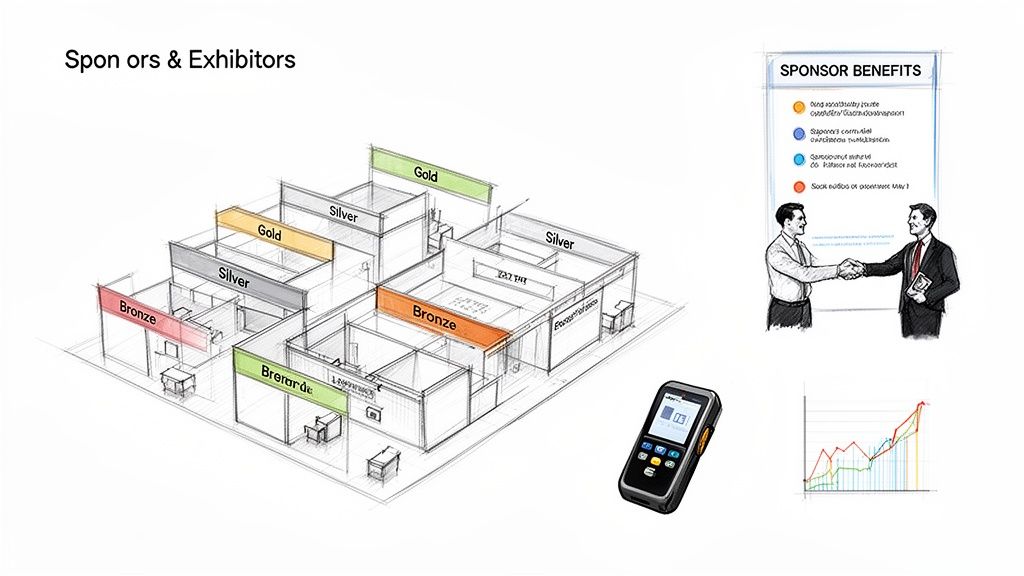
Sponsors and exhibitors are the engine for many great events, but they're so much more than just a name on a spreadsheet. The secret to a killer event is treating them like true partners, not just walking checkbooks. It’s about building an environment where they can crush their own goals, which in turn, makes the experience even better for your attendees.
It all starts with a simple change in perspective. Stop asking, "What can they give us?" and start asking, "What real-world results can we help them get?" That single question will be your North Star as you build a program that doesn't just attract sponsors, but makes them eager to return.
Let’s be honest: the old Gold, Silver, and Bronze packages are tired. They rarely work anymore because every sponsor has a different reason for being there. Some are chasing brand awareness, while others need to walk away with a list of hot leads. Your packages need to speak directly to those different goals.
Try breaking down your tiers by what they help a sponsor achieve:
A platform like GroupOS is a massive help here. You can build out rich sponsor profiles where partners can show off their products, post updates, and run their own banner ads. It gives them a direct line to your audience, which is exactly what they're paying for.
A great sponsorship program is all about the details, from that first cold email to the final thank you note. You need a solid process to make sure your partners feel taken care of every step of the way.
It starts with a well-researched list of potential sponsors and a pitch that’s actually personalized. Show them you’ve done your homework and explain exactly why your audience is their audience. Once they’re on board, the real work starts. Make the onboarding process a breeze. Give them a single person to contact and a crystal-clear list of deadlines for things like logos, ad copy, and booth specs.
Treat your sponsors like you treat your keynote speakers. Quick, helpful communication and a genuine desire to see them succeed will make you stand out from the dozen other events they're considering. This turns a one-time transaction into a long-term strategic relationship.
And don’t disappear during the event! Make a point to swing by every sponsor and exhibitor booth. Ask how it's going, see if they need anything, and get their take on the foot traffic. It’s a small thing, but it shows you’re invested in their ROI and gives you priceless feedback on the spot.
The work isn't over when the lights go down. Your final, and most critical, task is to deliver a post-event report that proves their investment paid off. This is your chance to lock them in for next year.
This report needs to be packed with data that connects directly to the goals they told you about. Forget fluffy metrics; give them hard numbers and insights they can take straight to their boss.
Here’s what a great report should include:
When you give your partners the data to prove their success, you're not just selling a sponsorship anymore. You're offering a powerful, results-driven marketing opportunity they can't get anywhere else.
The event might be over, but your job isn't done. Honestly, this is where some of the most important work begins. Once the last guest has walked out the door, you have a golden opportunity to dig into the data, gather real-world feedback, and lay the groundwork for your next event to be an even bigger hit. This is how you prove your event's value and keep the momentum going.
Your first step? Quick, personalized communication. Within 24 hours, get those thank-you emails out. You'll want to send separate versions to your attendees, sponsors, and speakers to make them feel valued. The attendee email is the perfect place to drop a link to a short feedback survey. Keep it brief—no one wants to fill out a novel. Five or six targeted questions are plenty.
A good survey is worth its weight in gold. Don't waste time with vague questions. You need insights that will help you make better decisions next time around. For a deep dive into crafting questions that get you real answers, this guide to measuring customer experience has some great strategies you can adapt for event feedback.
Think about asking questions like these:
This kind of qualitative feedback gives you context that a simple satisfaction score just can't provide.
A feedback survey isn't about chasing a perfect score. It's about understanding why you got the score you did. One piece of thoughtful, critical feedback can teach you more than a dozen "it was great!" comments.
Beyond what attendees tell you, your event management platform holds the hard numbers. A modern tool like GroupOS gives you an analytics dashboard that goes way beyond vanity metrics. The key is to look at the numbers that tie directly back to the goals you set in the very beginning.
Focus on the data that tells a story:
When you blend direct attendee feedback with this kind of solid data, you can build reports that do more than just recap the event. They give you a clear, data-driven roadmap to make every future event a smashing success.
Even the most seasoned event producers run into questions along the way. It’s just part of the process. Here are some of the most common things people ask, along with some straight-up advice from the trenches.
Honestly, while wrestling with budgets and juggling logistics is a constant battle, the real make-or-break challenge is attracting the right attendees. We're not just talking about selling tickets; we're talking about creating an experience so valuable that your target audience feels they have to be there.
This means you need to get inside their heads, understand what they truly need, and then build a marketing strategy that speaks directly to those desires. It's more art than science sometimes.
If you're aiming for a large-scale conference—think 500 or more people—give yourself a good 9 to 12 months of lead time. Seriously. This isn't just about avoiding last-minute panic; it's a strategic move.
That longer runway gives you the upper hand when negotiating with top-tier venues and locking in sought-after speakers, often securing you much better rates.
A longer timeline also gives you breathing room to:
Trust me, rushing this process always leads to compromises and costly mistakes you'll regret later.
Proving your event worked isn't just about showing attendance numbers. It’s about tying every outcome directly back to the business goals you set from day one. You need to tell a clear, data-backed story that shows your stakeholders exactly what value you delivered.
To really nail your ROI, you need a mix of hard numbers and qualitative feedback. Focus on metrics that tie directly back to your original goals. Think cost per lead, the total number of leads you generated for sponsors, and the attendee satisfaction scores you get from post-event surveys.
This is where having an all-in-one event platform like GroupOS becomes a game-changer. It pulls all your registration data, attendee engagement metrics, and financial info into one place. You can then generate clean, easy-to-understand reports that tell a powerful story of your success without having to stitch together a dozen different spreadsheets.
Ready to stop juggling countless tools and actually streamline your event production? At GroupOS, we give you everything you need to manage ticketing, engage your community, and prove your ROI—all in one place. Start your free trial with GroupOS today and see how much easier producing an event can be.